Navigating Menopause with Confidence and Expert Care
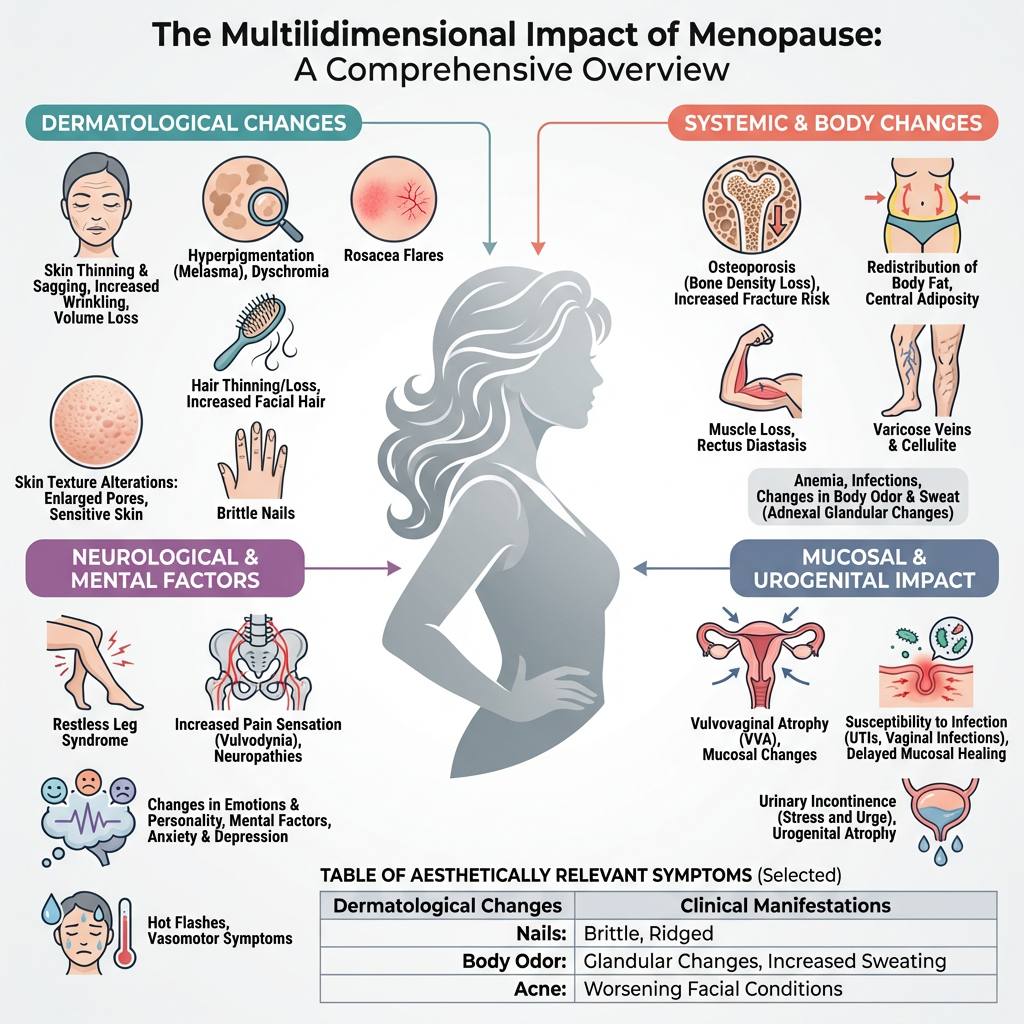
Menopause is a natural and inevitable chapter in a woman's life, but the physical and emotional changes it brings do not have to dictate your daily routine. At The Links Clinic in Edmonton, Dr. Sam Azer and our dedicated team understand that symptoms like disruptive hot flashes, night sweats, sleep disturbances, and mood shifts can feel overwhelming and isolating. We are committed to providing you with a highly personalized approach to menopause management. Whether you are seeking relief through carefully tailored Hormone Replacement Therapy (HRT), non-hormonal medical options, or guided lifestyle adjustments, our goal is to empower you with the right tools and compassionate support. You deserve to navigate this transition comfortably, reclaiming your quality of life, bone health, and long-term vitality.
FAQ Section: Hormone Replacement Therapy (HRT)
Place this directly beneath the menopause introduction paragraph on your site.
What is Hormone Replacement Therapy (HRT)? HRT is a medical treatment that supplements the body with either estrogen alone or a combination of estrogen and progesterone (and sometimes testosterone). As your ovaries naturally decrease hormone production during menopause, HRT helps restore balance and alleviate the physical and emotional symptoms associated with this transition.
Is HRT safe? For the vast majority of healthy women, when started within ten years of menopause onset or under the age of 60, the benefits of HRT generally outweigh the risks. However, safety is highly individual. Dr. Azer will carefully evaluate your personal and family medical history to ensure HRT is a safe and appropriate option for you.
What are the main benefits of taking HRT? HRT is currently the most effective treatment for relieving moderate to severe menopausal symptoms, including hot flashes, night sweats, and vaginal dryness. Beyond symptom relief, it also provides long-term protective benefits for your bone health, significantly reducing the risk of osteoporosis and fractures.
Are there non-hormonal options if I can't or don't want to take HRT? Absolutely. If HRT is not the right fit for your medical profile or personal preference, there are several effective non-hormonal medications and targeted lifestyle strategies we can employ to help manage hot flashes, improve sleep, and protect your long-term health.
How do I know what treatment is right for me? Because no two women experience menopause the exact same way, treatment must be personalized. We invite you to schedule a consultation at The Links Clinic, where we will discuss your specific symptoms, review your medical history, and build a tailored care plan together.